
01
Clean up the operating file
Invoices, order guides, exports, and reports organized into a usable weekly rhythm.
 Restaurant operating consulting
Start a diagnostic
Restaurant operating consulting
Start a diagnostic
BusStop helps restaurant groups clean up purchasing, reporting, credits, vendor data, and back-office workflows so the team has cleaner systems and decisions it can trust.


Invoices, order guides, exports, and reports organized into a usable weekly rhythm.

Owners, accounting, managers, and operators looking at the same source of truth.
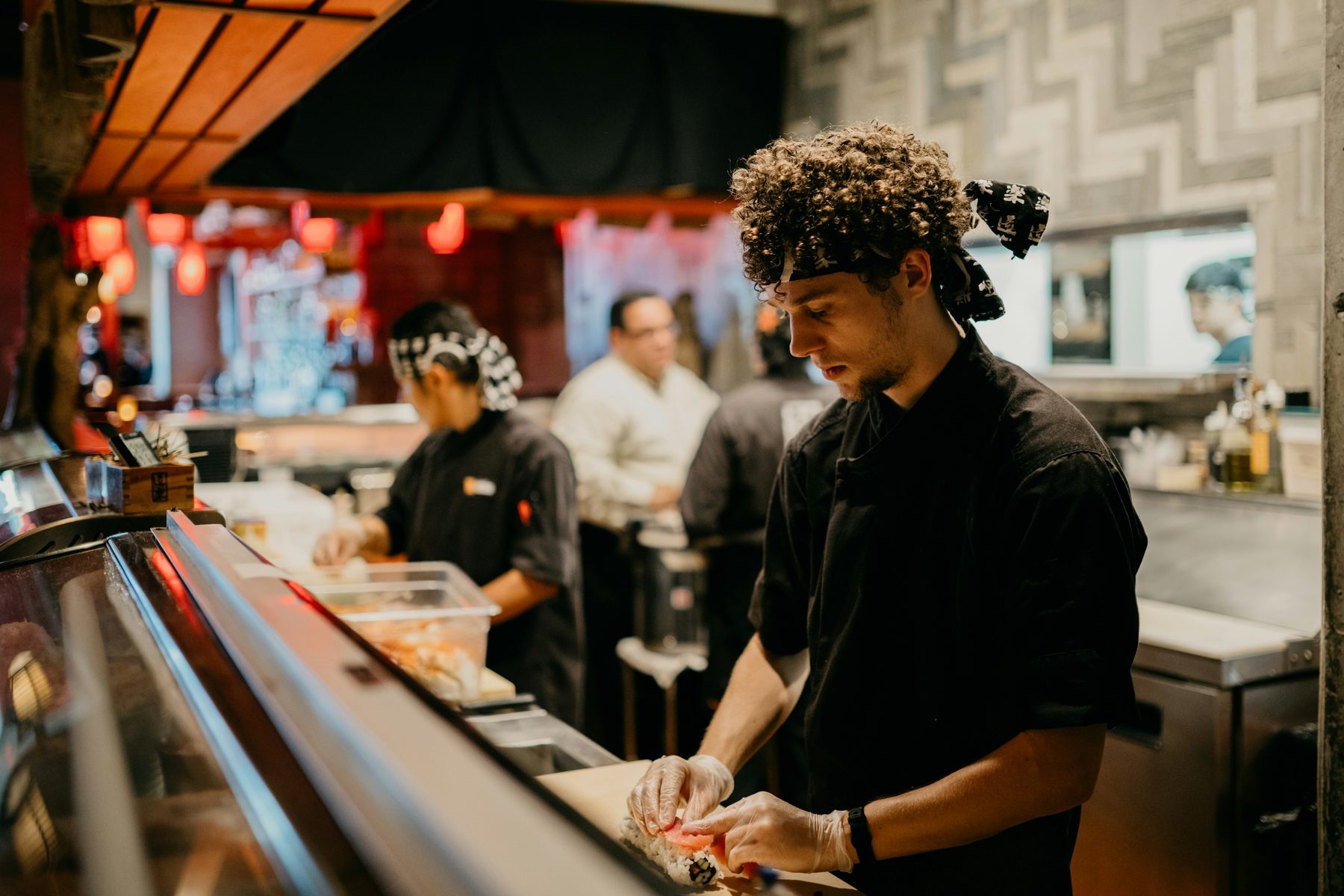
Practical fixes that respect the pace of the shift and the work behind the numbers.
BusStop sits where restaurant teams often lose visibility: purchasing files, vendor invoices, open credits, POS exports, manager follow-up, and the reports owners use to make decisions. The work is not theory. It is cleaning up the operating details that make the numbers hard to trust.
Order guides, item setup, distributor files, rebates, credits, and vendor follow-up.
POS, accounting, spreadsheets, exports, portals, and the workarounds teams already use.
Short action lists, clear ownership, and cadence that respects the pace of service.

BusStop Hospitality was built around the work that often falls between job descriptions: vendor questions, invoice exceptions, purchasing structure, credits, reporting gaps, spreadsheet cleanup, and the follow-up rhythm that keeps restaurant teams aligned.
Bradley works with owners, operators, accounting teams, and system partners to turn disconnected files and recurring questions into practical operating tools the team can use every week.

Fix the messy space between POS, accounting, purchasing files, exports, and spreadsheets.
Read more
Track item setup, order guides, vendor questions, distributor files, rebates, and off-guide buying.
Read more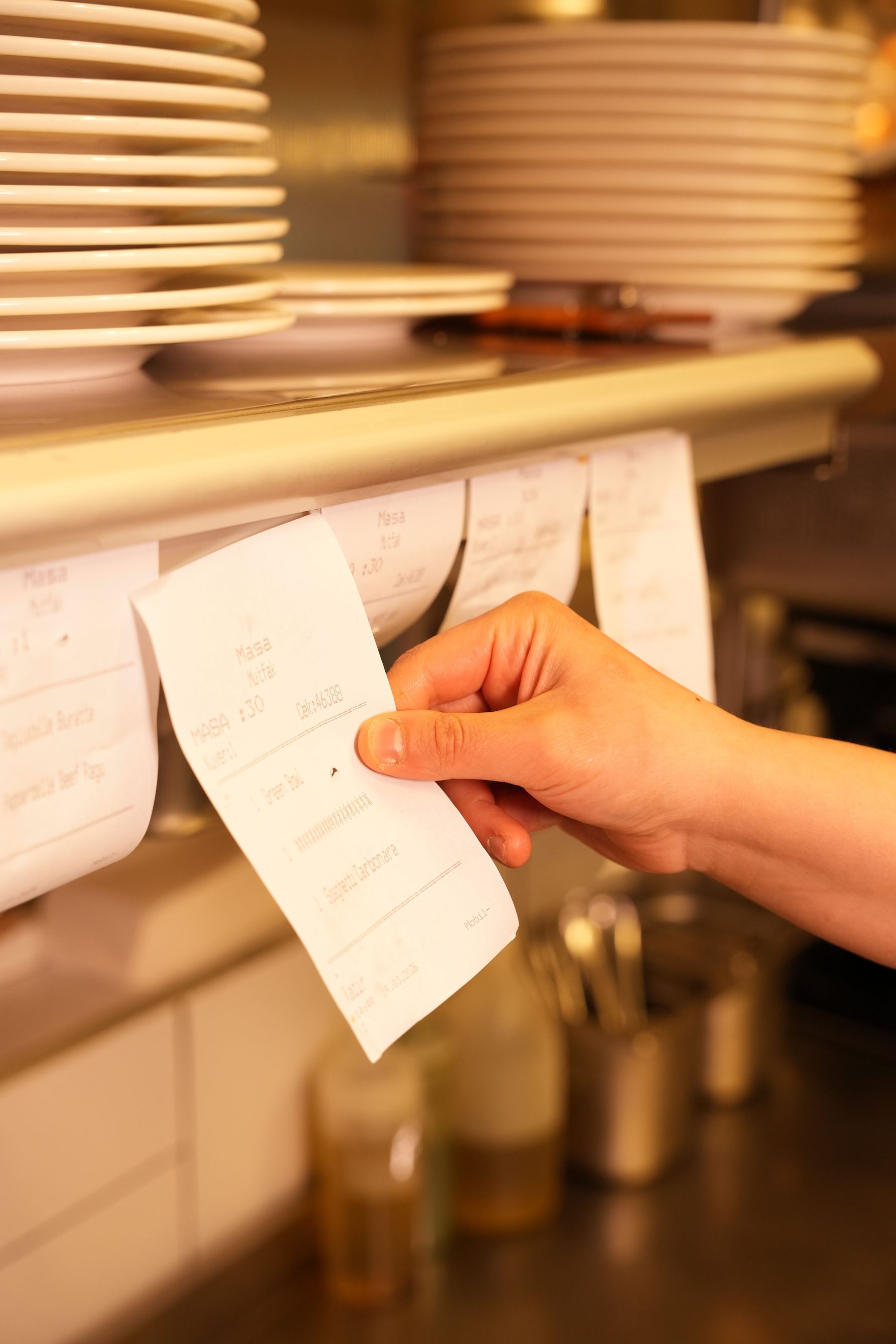
Keep credits, invoice exceptions, and vendor replies visible until someone owns the next step.
Read more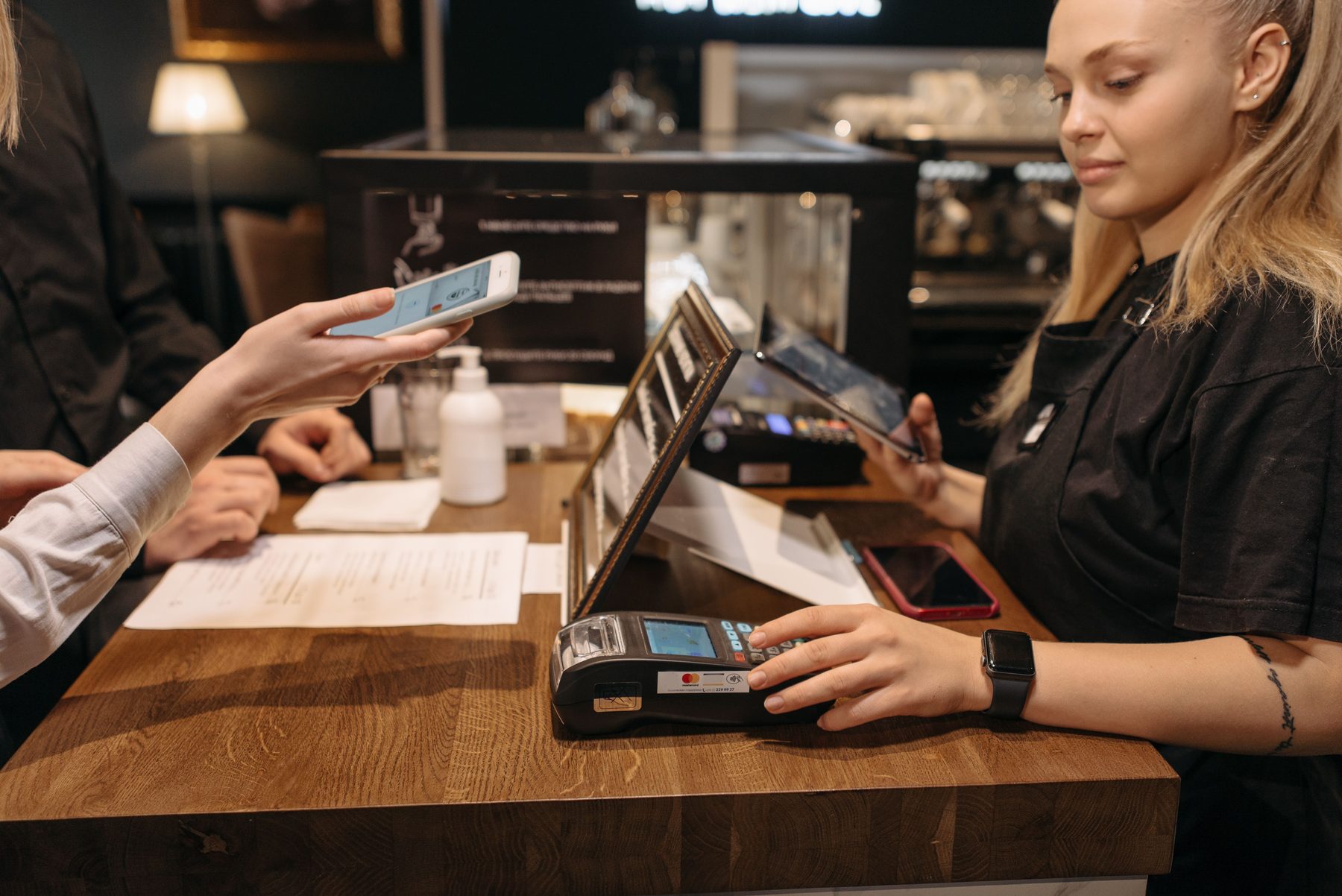
Build the missing tracker, checklist, report, or lightweight tool when the current system cannot answer the question.
Read moreA focused review of systems, purchasing files, invoices, credits, reports, and where the workflow breaks.
Best for: deciding what to clean up first.Hands-on cleanup of order guides, vendor files, open credits, reporting exports, trackers, and ownership lists.
Best for: turning messy files into a working rhythm.Monthly or weekly support for purchasing visibility, reporting cadence, vendor follow-up, and custom tools.
Best for: groups that need durable follow-through.Support during openings, process rebuilds, system changes, reporting transitions, or back-office cleanup sprints.
Best for: moments when the normal team is already full.Pricing depends on location count, systems involved, cleanup depth, and support cadence. Start with a diagnostic conversation before locking scope.
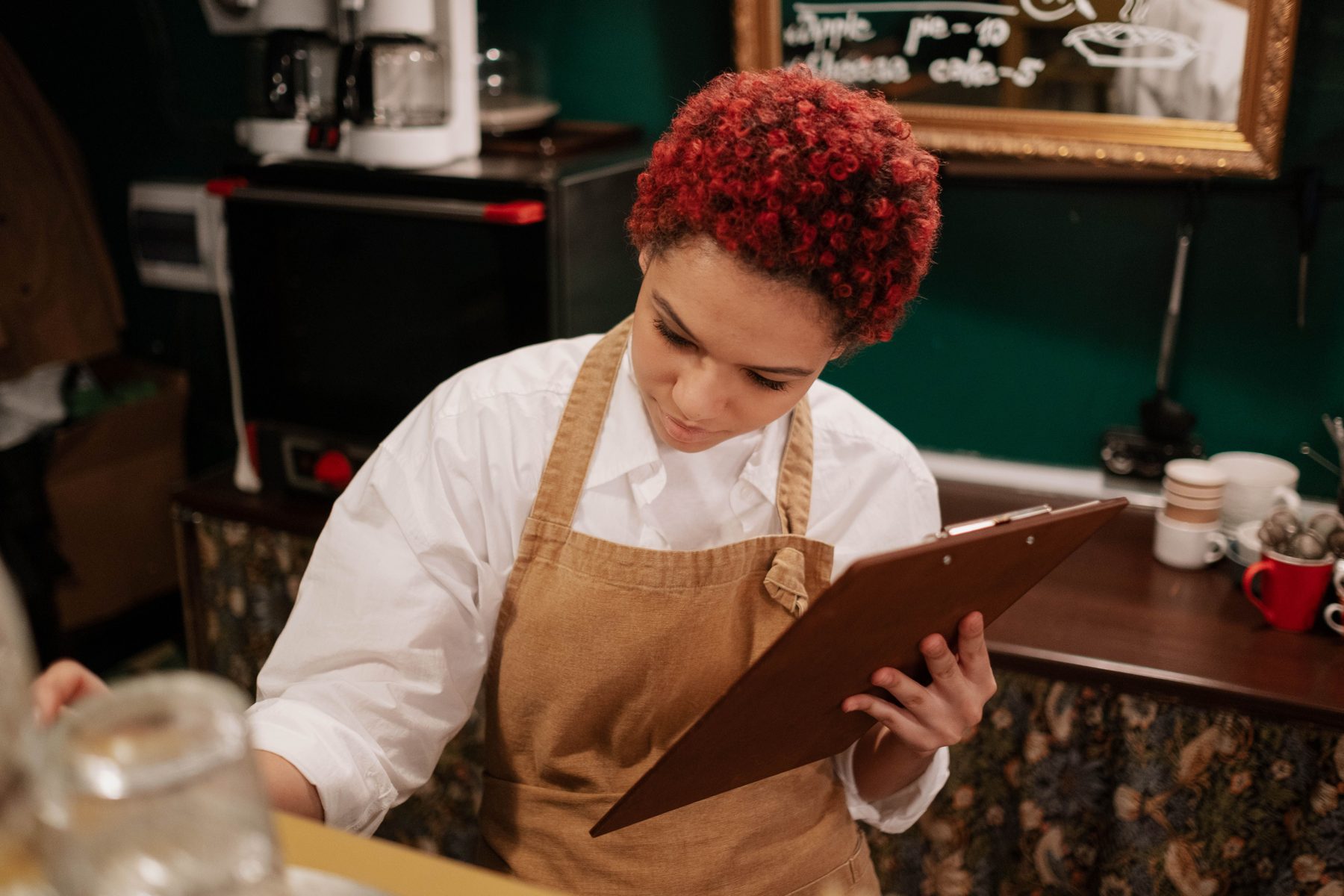
Most restaurant groups already have software. The problem is the work still lives in disconnected exports, vendor portals, spreadsheets, manager habits, and unresolved follow-up lists. BusStop turns that into a clearer operating file.
BusStop is not another dashboard and not a generic advisory deck. The work is hands-on: inspect the files, find the breaks, clean the workflow, and give the team a cadence they can actually keep.
Owners get cleaner visibility into purchasing, margin, and recurring issues.
Accounting gets fewer mystery items, credits, and reconciliation surprises.
Operators get shorter action lists tied to how the restaurant actually runs.
A focused first engagement to understand where your systems, purchasing data, vendor invoices, open credits, and reports are creating confusion or margin risk.

Identify systems, vendors, locations, files, users, and where ownership gets unclear.
Separate direct issues from bad setup, watchlist items, reporting gaps, and process problems.
Clean files, set follow-up cadence, build missing tools, and make the review process usable.
Evidence: Credits appear in invoice notes, but there is no owner or close date.
Next step: Build an open-credit tracker with vendor, amount, issue, owner, and status.
Evidence: Item names and pack sizes differ between vendor exports and internal reports.
Next step: Normalize item naming and flag unresolved substitutes before the next review.
Evidence: Reports arrive after purchases are made, so variance review becomes history.
Next step: Move the review cadence ahead of ordering and assign one follow-up list.
Why food-cost percentage can hide menu profit, and how contribution margin changes the way operators should read the menu.
Read articleThe controllable number every restaurant operator should know before the monthly close arrives.
Read articleWhat Sysco, US Foods, and PFG reveal about independent restaurant demand and distributor economics.
Read article
If your systems, purchasing, credits, vendor data, or reporting are hard to trust, start with a focused conversation about what needs to be cleaned up first.
Start a conversation